About
Buy by the module, not the bundle.
Most business software arrives as a suite: nine parts in one price, and a small trader pays for the seven they never open. Luuqo is the same idea taken apart. You buy the counter, or the stock list, or the booking page — and nothing else until the business asks for it.
Why a module, and not a suite.
A suite has to guess what you need before it can quote you a price, and it guesses upwards. That is why the demonstration is always impressive and the second month is always a surprise: you are paying rent on the parts of somebody else's business.
Every module in Luuqo is bought on its own, priced on its own, and cancelled on its own. A cafe that only wants a till takes the till. When it opens a second outlet, the outlet reports into the same account rather than into a second system. When it starts counting stock, the stock modules go on top of what is already there — the item list does not have to be typed twice.
That is a smaller sale for us and a smaller bill for you, and it is a deliberate trade. A product you can leave has to be worth staying on.
Each module has its own plans — Startup and Growth, for example — and the price of each plan is shown inside your account, next to the module you are about to buy. The same prices are shown on the Pricing page of this site, taken straight from the app — and the price in the app is final.
Who it is for
Build for many, not few.
The phrase is out of Luuqo's own plan, and it decides what gets built. A module is written to be usable by a stall and by a shop with three branches, rather than tuned so tightly to one trade that everybody else needs their own edition. The same sales counter serves a small restaurant and a mini-mart; the same stock ledger serves a cafe kitchen and a store room.
- Kiosk, night-market or weekend-market stall
- Cafe or food truck
- Small restaurant
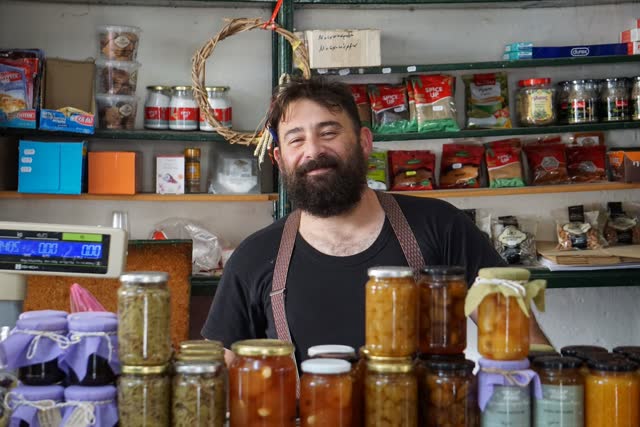
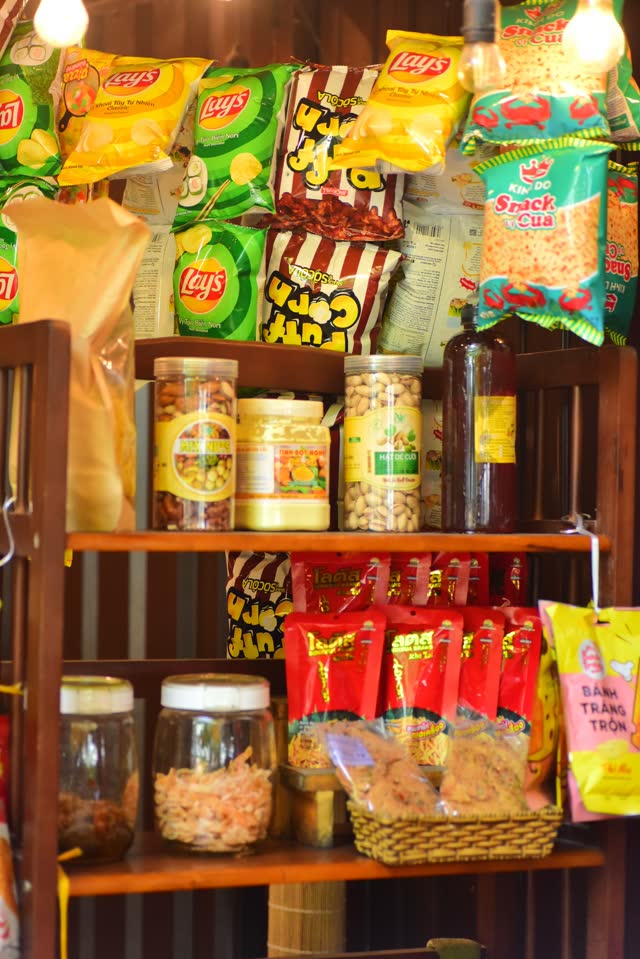
- Mini-mart or grocery shop
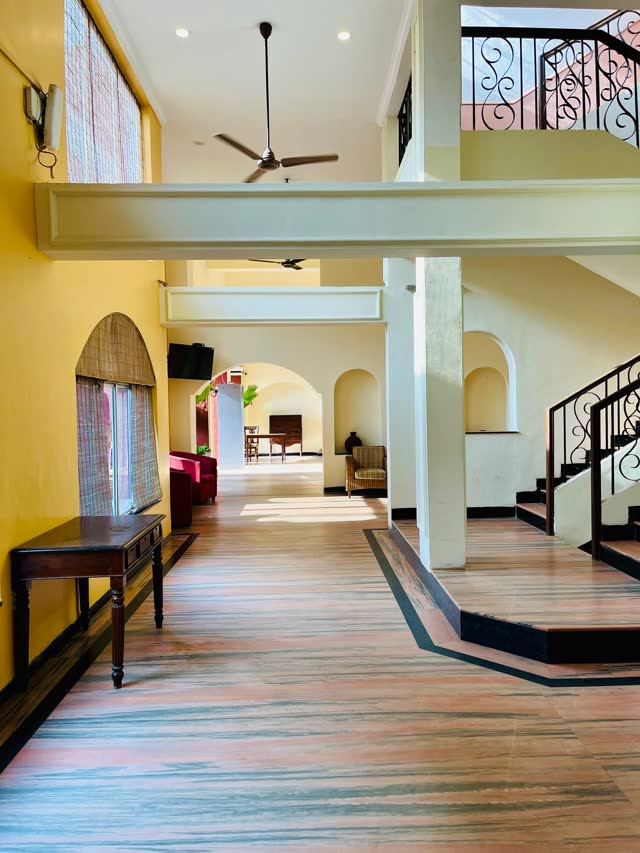
- Homestay
- Central store supplying several outlets



It is not for everyone, and pretending otherwise would waste your afternoon. A business that needs table service, a full channel manager for many properties, or invoices with tax worked out for it will not find those here. The catalogue says where each module stops, module by module.
What happens when you take two.
Modules are independent — each one works on its own — but two of them share the same list of items, and that is the difference between two programs and one system. The counter rings up a latte from the same catalogue the stock ledger reads. When the sale is paid, the milk comes out of stock in the same moment, on the same screen, without anybody typing it a second time.
It is one real connection rather than a promise about all of them, and we would rather show you the one that works than describe the rest that might.
It needs two things set up first: your opening stock recorded, and a recipe on the latte saying it contains 200ml of milk. Until the opening stock is in, the counter will refuse a sale of an item it believes you have none of — that is the shipped default, and it is better to hear it here than at the till.
How this site is written
Four things you will not find on it.
Every module and every plan is priced on the Pricing page, taken straight from the app with the date it was updated. No hidden charges — the price the app shows before you pay is final.
Nothing below version 1.0 is listed, however close it is. A module you can read about here is a module you can install today.
No quotes, no faces, no logos, no counts of how many businesses use this. When there are real numbers worth showing, they will be the product's own.
Every module in the catalogue carries a line saying where it stops. We write these limits carefully, so that you can trust the rest.
Anything you want to ask first?
Ask before you open an account, not after. There is one address and a person reads it.